Woman's Heart Health
It is a misconception that men are more likely to develop heart issues. Women often have differing signs and symptoms which ends up resulting in a late diagnosis and little can be done to reverse the damage. Knowing the signs of heart-related illnesses that women experience can equip you with the power to know when something is wrong.
Cardiovascular Disease
The main types of Cardiovascular Disease that women have signs and symptoms that go undetected are Coronary Heart Disease and Stroke. The below information will help familiarise yourself with the indicators of these illnesses so that you can spot them to protect yourself and the women in your life.
Coronary Heart Disease
Coronary Heart Disease occurs when the hearts blood supply is blocked up by buildup of cholesterol in arteries. It causes chest pain (angina) when blood supply is restricted and causes heart attack when artery is completely blocked.
Signs & Symptoms of Heart Attacks
The most common symptom of a heart attack for both men and women is chest pain. But women may experience less obvious warning signs.
Women:
· Face drooping
· Arm weakness
· Speech difficulty
· Vision problems
· Trouble walking or lack of coordination
· Severe headache without a known cause
· General weakness
· Disorientation & confusion or memory problems
· Fatigue Nausea or vomiting
Men:
· Face drooping
· Arm weakness
· Speech difficulty Vision problems
· Trouble walking or lack of coordination
· Severe headache without a known cause
Signs & Symptoms of Stroke
Strokes happen when blood supply to brain is disturbed/stopped. Cells in the brain begin to die, can lead to brain damage or death. Needs to be addressed in a timely manner in order to be treated. Men and women share a common set of stroke symptoms, but women also can experience more subtle warning signs.
Women:
· Face drooping
· Arm weakness
· Speech difficulty
· Vision problems
· Trouble walking or lack of coordination
· Severe headache without a known cause
· General weakness
· Disorientation & confusion or memory problems
· Fatigue
· Nausea or vomiting
Men:
· Face drooping
· Arm weakness
· Speech difficulty
· Vision problems
· Trouble walking or lack of coordination
· Severe headache without a known cause
· General weakness
· Disorientation & confusion or memory problems
· Fatigue
· Nausea or vomiting
Due to these differing symptoms from the usual that we tend to be familiar with, women are at an increased risk of dying from stroke than men. As many as 5,000 stroke sufferers every year are failing to get to hospital within the time window to benefit from potentially lifesaving treatment.
The F.A.S.T. acronym is still a good benchmark to decipher a stroke in men and women. It stands for:
Face – has their face fallen on one side?
Arms – can they raise both arms and keep them there?
Speech – is their speech slurred?
Time – time to call 112 or 999 if you see any one of these signs.
Potiential Causes & Risk Factors
What are the risk factors that can put you at risk to developing heart disease?
· Smoking
· Obesity/being overweight
· Hypertension (high blood pressure)
· Family history of heart problems
· Inactive lifestyle
· Diabetes
· High cholesterol
How can you reduce your risk of heart disease?
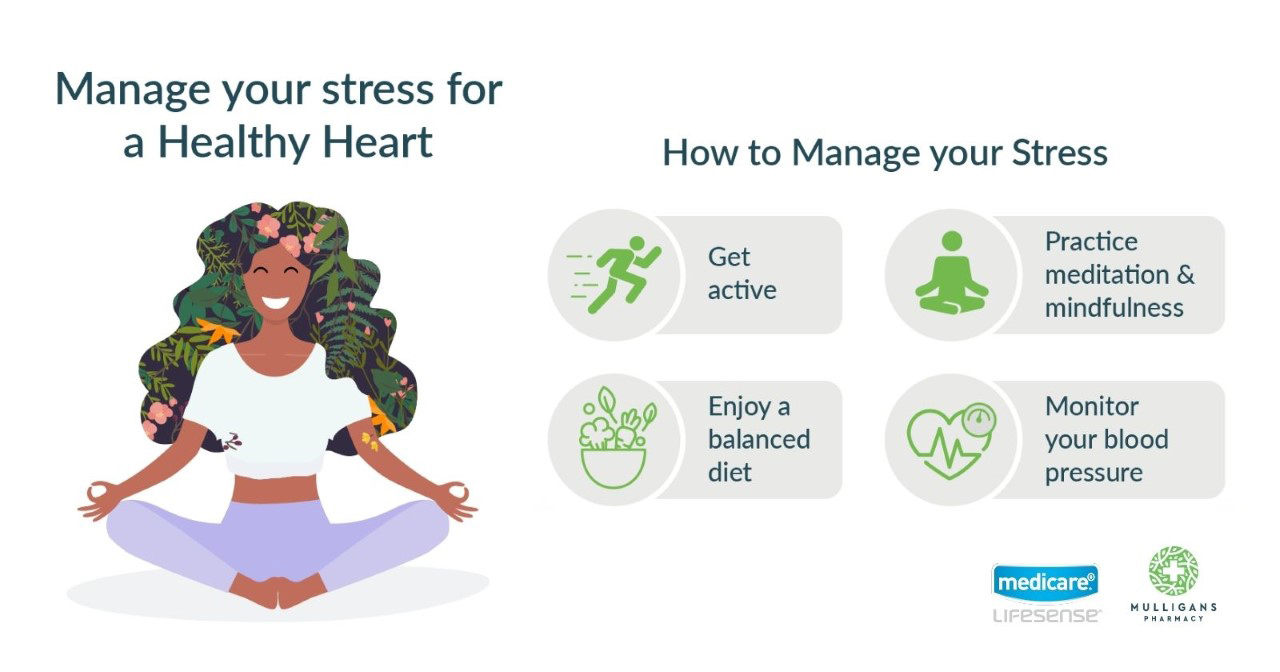
Eat healthily: Making small changes to your diet can help you reduce your risk of developing heart disease. Always consult your doctor when changing your diet.
Exercise: Starting to engage in light exercise, like walking, can decrease your risk of stroke or getting repeat strokes.
Check your blood pressure: Get your blood pressure checked and know your numbers. If you have high blood pressure, it is recommended to have a blood pressure monitor in your home to get accurate readings, keep track and better understand your blood pressure.
Home Health Management – How to stay on top of Hypertension
If you have hypertension, you should make sure to measure your blood pressure on a regular basis to ensure that it is decreasing while trying to reduce it. The only way to do this is to have a blood pressure monitor in your home.
The Medicare LifeSense Blood Pressure Monitors are designed to be easily operated from the comfort of your own home and have clinically proven accuracy. They can be used in conjunction with the Medicare Lifesense App where the Bluetooth monitors automatically upload your results or you can manually enter them from your basic version.